See also the CDC schedule for infants and children and the CDC schedule for older children and adolescents. 2-11 months of age - 2 or 3 doses of 4CMenB vaccine 8 weeks apart with another dose between 12-23 months of age and at least 8 weeks after the previous dose.
 Pin On Medicine
Any dose not administered at the recommended age should be administered at a subsequent visit when indicated and feasible.

Pediatric vaccine schedule. You are free to select any amount of any combination of items. See which vaccines your child needs from birth through age 6 in this parent-friendly immunization schedule. Vaccine Birth 1 mo 2 mos 4 mos 6 mos 9 mos 12 mos 15 mos.
The first is given at 2 months of age the second at 4 months the third at 6 months and the fourth at about 12 months of age. Most of these vaccines can be given at any age and a child who misses one injection in a course of injections does not have to start again. The Childhood Immunization Schedule also covers vaccines that can protect children from diphtheria tetanus pertussis hepatitis B haemophilus influenzae type B polio pneumococcal infections.
Table 3 lists the vaccines that may be indicated for children and adolescents 18 years of age or younger on the basis of medical conditions. Immunization schedule selection centre. However older children may not need all the vaccine doses or may need different vaccines.
Child vaccine schedule table 1. Hepatitis B HepB 1 st dose 2 nd dose 3 rd dose Rotavirus RV RV1 2-dose series. The Vaccine Schedule is an ECDC tool and interactive platform of vaccination schedules for individual European countries and specific age groups.
Diphtheria tetanus acellular pertussis DTaP. The 2021 child and adolescent immunization schedule released today includes changes to recommendations for influenza meningococcal serogroup ACWY MenACWY meningococcal B MenB and tetanus toxoid reduced diphtheria toxoid and acellular pertussis Tdap vaccines. As part of the national childhood immunisation schedule all babies and children in the UK are offered vaccinations against key preventable diseases.
Find immunization schedules for all ages below as well as a list of vaccines recommended for adults in BC. It includes relatively few changes from last years schedule but adds. The schedules can be viewed online or can be downloaded and printed.
7 18 Years. Infants and children at high risk of IMD should be considered for immunization. The vaccine programme changes from time to.
The HPV vaccine is free for children aged 12 to. Birth 6 Years. The Centers for Disease Control and Prevention CDC today released the 2021 Childhood and Adolescent Immunization Schedule.
3 rd dose 4 th dose Haemophilus influenzae type b Hib 1 st dose. The need for and timing of 4CMenB vaccine booster doses have not yet been. 1-10 years of age- 2 doses of 4CMenB vaccine 8 weeks apart.
People who do not receive the vaccine at school are eligible for two free catch up doses up to 20 years of age. Information regarding COVID-19 vaccines also was added to the notes section. Following the recommended vaccine schedule provides your child with the best protection from potentially serious diseases.
The vaccines already given will still work and your child will still develop protection. RV5 3-dose series 1 st dose. Routine Immunization Schedules BC Routine Immunization Schedule - INFANTS CHILDREN BC Routine Immunization Schedule - SCHOOL AGE BC Routine Immunization Schedule - ADULTS 18 YEARS OF AGE AND OLDER.
National Immunization Schedule NIS for Infants Children and Pregnant Women Vaccine When to give Dose Route Site For Pregnant Women TT-1 Early in pregnancy 05 ml Intra-muscular Upper Arm TT-2 4 weeks after TT-1 05 ml Intra-muscular Upper Arm TT- Booster If received 2 TT doses in a pregnancy within the last 3 yrs. The following 2021 schedules indicate the recommended ages for routine administration of currently li censed vaccines for children and adolescents. HPV vaccination requires a course of two doses over the school year to develop immunity.
The schedule below indicates which vaccines are needed at what age and how many. The 2020 recommended childhood and adolescent immunization schedules have been approved by the American Academy of Pediatrics the Advisory Committee on Immunization Practices of the Centers for Disease Control and Prevention CDC the American Academy of Family Physicians and the American College of Obstetricians and Gynecologists. .
Table 2 is the catch-up immunization schedule for persons 4 months to 18 years of age who start late or who are more than 1 month behind the recommended age for vaccine administration. Four doses of the pneumococcal vaccine are usually given. Last updated 15-July-2020 data as of 12-October-2020 Next overall update End 2020 The Regions Countries Vaccines lists are multiselect-enabled.
11 years of age and older - 2 doses of 4CMenB vaccine at least 4 weeks apart. The schedule below is based on the ones recommended by the American Academy of Pediatrics AAP and the Centers for Disease Control and Prevention CDC.
4 October 2019 Updated algorithm with revised wording for eligibility in HPV section. More Vaccine-preventable Diseases Topics.
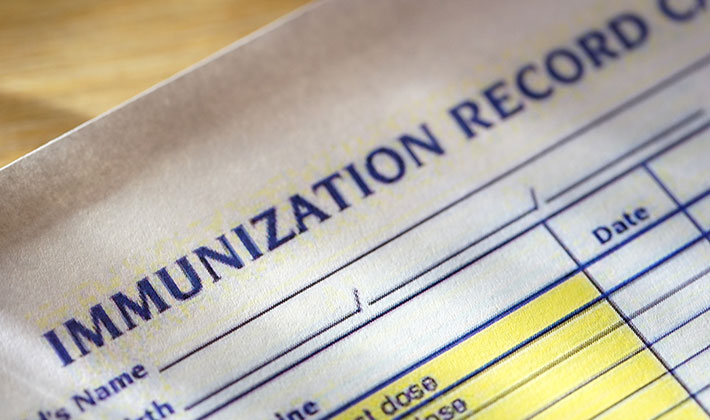 Baby Vaccines At 6 Months Cdc
When a new vaccine is developed some people prefer to delay using it in order to make sure that it works well and is safe.

Delayed vaccine schedule chart. Vaccine and vice versa. Vaccines are one of the best ways to ensure your child stays healthy. Reasons to Follow the Schedule.
The schedule applies to children born after June 1 2019. See which vaccines your child needs from ages 7 through 18 in this parent-friendly immunization schedule. DTaP Diptheria Tetanus and acellular Pertussis Rotavirus.
Table 1 Recommended Child and Adolescent Immunization Schedule for ages 18 years or younger United States 2021 or or. There are significant risks to delaying your babys vaccines. For a more detailed discussion on these vaccine-preventable diseases see The Vaccine Book.
National Center for Immunization and Respiratory Diseases. Vaccine safety concerns about long term side effects or specific outcomes like autism Low perceived risk of child contracting a vaccine preventable disease Concern that vaccination will affect immune system Parents desire to be involved in child s medical care Concerns about vaccine additives. Its strongly recommend that all babies be given all the shots on the immunization schedule published by the Centers for Disease Control and endorsed by the American Academy of Pediatrics AAP.
How the Anti-Vaccine Movement Threatens Us All He says about 13 of parents are choosing not to vaccine or delay vaccinating their. PCV fourth dose should be given between 12 months and 15 months MMR first dose should be given between 12 months and 15 months Varicella first dose should be given between 12 months and 15 months Hep A starting at 1 year two doses are needed at least 6 months apart. The Vaccine Schedule is an ECDC tool and interactive platform of vaccination schedules for individual European countries and specific age groups.
The table below provides catch-up schedules and minimum intervals between doses for children whose vaccinations have been delayed. But there are a few scenarios that merit delaying or even skipping a vaccination. Children under 2 are at higher risk than older children for contracting some diseases and are more likely to have serious complications if.
Another 28 thought that a delayed schedule would be safer. Pediatricians now confront many parents who insist that their children receive vaccines according to Sears schedule rather than that recommended by the American. Discuss with your doctor whether these are.
For more information please visit the Quebec Immunization Program. Of the book Sears includes Dr Bobs Alternative Vaccine Schedule a formula by which parents can delay withhold separate or space out vaccines. If delayed or interrupted scheduling of vaccination for children adolescents and adults 3 doses are recommended with the second dose administered at least 1 month after the first and the third dose 6 months after the first dose.
Polio influenza 2 doses. But as we well know in real life things rarely go according to plan. If the vaccination schedule is interrupted it is not.
Alternative vaccination scheduling preference among parents of young children. Paul Offit chief of the infectious diseases division at Childrens Hospital of Philadelphia co-inventor of a rotovirus vaccine and author of Deadly Choices. About 8 followed the Miller or Sears schedule but the others derived their own schedule.
2 March 2012 - Every immunization programme in the world has a national vaccination schedule that specifies the age at which antigens are to be given. Immunization Schedule Immunization Schedules. There is no alternate vaccine schedule says Dr.
Inevitably children and individuals come late for their vaccinations or for whatever reason are unable to stick to the usual schedule. For the most up to date Immunization Schedule according to the American Academy of Pediatrics click here. A vaccine series does not need to be restarted regardless of the.
The Pros and Cons of Taking a Flexible Approach Two pediatricians share conflicting views on whether its OK to space out your babys immunizations. Any dose not administered at the recommended age should be administered at a subsequent visit when indicated and feasible. Children born before this date will follow the vaccination schedule that was recommended at the time.
Return to footnote 4 referrer. Who Sets the Vaccine Schedule. However each vaccine must be extensively tested before being added to the schedule and millions of vaccines are given by the approved schedule each year.
Its all part of the CDCs official vaccination schedule which targets 14 serious diseases including whooping cough diphtheria tetanus mumps measles rubella rotavirus polio hepatitis. Added Vaccination of individuals with uncertain or incomplete immunisation status valid from 1 January 2020. The following 2021 schedules indicate the recommended ages for routine administration of currently li censed vaccines for children and adolescents.
Routine administration schedule for hepatitis B vaccine in adults The dosing schedule is 0 1 to 2 months and 4 to 6 months. At least four weeks between doses 1 and 2.
 Pin On Imle
Vaccines in the Adult Immunization Schedule Vaccines Abbreviations Trade names Haemophilus influenzae type b vaccine Hib ActHIB Hiberix PedvaxHIB Hepatitis A vaccine HepA Havrix Vaqta Hepatitis A and hepatitis B vaccine HepA-HepB Twinrix Hepatitis B vaccine HepB Engerix-B Recombivax HB Heplisav-B Human papillomavirus vaccine.

Hbv vaccine schedule. Dose 1 to dose 2. 4 weeks dose 2 to dose 3. Dose Schedules for Hepatitis B Vaccinations Vaccine a Intramuscular Dose b Schedule Heplisav-B 18 yr.
Ask your doctor about the 2-dose vaccine. 1 mL Three doses 0 1 and 6 mo Adults receiving hemodialysis. 2nd Shot- Pentavalent at 2 months of age.
If post-vaccination serologic testing is delayed beyond 6 months after the hepatitis B series is completed the provider should consider administering a booster dose of single antigen hepatitis B vaccine and then ordering post-vaccination serologic testing HBsAg antibody to HBsAg anti-HBs 1-2 months after the booster dose. Hepatitis B vaccination is recommended for all other risk groups usually in a 3-dose schedule 0 1 and 6 months. Adolescents aged 1115 years can receive an alternative 2-dose schedule at 0 and 6 months.
4th Shot Pentavalent at 6 months of age. Unvaccinated persons should complete a 3-dose series at 0 12 6 months. The World Health Organization WHO recommends a 0 1 and 6-month vaccine schedule though schedules may vary based on a countrys national immunization program.
The combined hepatitis A B vaccine which is only for adults can follow the 3 dose vaccine schedule or if necessary the 4 dose accelerated schedule. Adolescents age 18 years or older may receive a 2-dose series of HepB Heplisav-B at least 4 weeks apart. The hepatitis B vaccine is an injection or shot that is generally given in the arm and as a three-dose series.
Dose schedules Table 20 Table 20. Heplisav -B Dynavax is a two-dose vaccine approved for use in adults aged 18 and older. Available HBV vaccines dose schedules vary by age i.
The recommended schedule for the hepatitis B vaccine is to receive the first shot followed in one month by the second shot. Adolescents age 1115 years may use an alternative 2-dose schedule with at least 4 months between doses adult formulation Recombivax HB only. At 12 months of age at 618 months of age For the first shot.
The vaccine is administered as two doses given one-month apart. 3-dose series at 0 12 months 6 months minimum intervals. It is also recommended that health-care workers be vaccinated.
The first dose is recommended within 24 hours of birth with either two or three more doses given after that. Hepatitis B vaccine is available for all age groups to prevent HBV infection. Hepatitis B is a serious disease caused by a virus that attacks the liver.
1st Shot Monovalent at birth. Use recommended doses of above on a 0 1 and 6 month schedule OR a 0 1 2 and 12 month schedule. 2 mL Four doses 0 1 2 and 6 mo Recombivax HB Birth.
This includes those with poor immune function such as from HIVAIDS and those born premature. A single dose of HBIg is 75 effective if administered within 2 weeks of last sexual exposure. The virus which is called hepatitis B virus HBV can cause lifelong infection cirrhosis scarring of the liver liver cancer liver failure and death.
Hepatitis B Vaccination Schedule Prior to undertaking your placement you must provide evidence of a completed age-appropriate course of Hepatitis B vaccine with date and batch numbers and documented evidence of post-vaccination blood test levels anti-HBs 10mIUmL or evidence of Hepatitis B infection. Two-Dose Hepatitis B Vaccine Schedule for Adults In November 2017 a vaccine was approved by the FDA for use in the US. These doses are given at 8 12 and 16 weeks of age.
05 mL 20 yr. 12 weeks dose 1 to dose 3. Repeat dose if administered too soon Age 914 years at initial vaccination and received 1 dose or 2 doses less than 5 months apart.
All babies in the UK born on or after 1 August 2017 are given 3 doses of hepatitis B-containing vaccine as part of the NHS routine vaccination schedule. 3rd Shot Pentavalent at 4 months of age. If a newborns mother carries the hepatitis B virus in her blood the baby must get the vaccine within 12 hours after birth.
HB vaccine is highly effective in preventing HB infection when provided within one week of percutaneous or mucosal exposure to HB-positive blood or within two weeks of sexual exposure to HB-positive persons. There is some flexibility in the schedule but be sure to keep in mind the minimum intervals between doses. 05 mL Two doses 0 and 1 mo Engerix-B Birth 19 yr.
Refer to recommendations of the Advisory Committee on Immunization Practices ACIP Comments-Administer hepatitis B immune globulin if appropriate-Start hepatitis B vaccine as soon as possible after exposure. Age 15 years or older at initial vaccination. Six months following the first shot you should receive your third and final shot of the series.
Hepatitis B vaccination is recommended for infants and children in a 4-dose schedule at birth and 2 4 and 6 months of age. The Advisory Committee on Immunization Practices ACIP recommends vaccination of adults at risk for HBV infection including universal vaccination of adults in settings in which a high proportion have risk factors for HBV infection and vaccination of adults requesting protection from HBV without acknowledgment of a specific risk factor. Hepatitis B vaccine is a vaccine that prevents hepatitis B.
Is being used proper facilities and heat-checking methods must be utilized. To maintain immunity the vaccinated animal should receive semiannual or annual boosters depending on the type and risk of disease.
 Nasco S Permanent Herd Record Filler Sheets Cattle Ranching Herding Cattle
The cost of the vaccine is justified.

Calf vaccine schedule. The factors that warrant vaccination are. Why do we give vaccines. Heidi Ward Jeremy Powell Subject.
The vaccines used and the vaccination schedule should be based on the expected incidence of the disease the cost of the disease when it is seen the cost of the preventive procedure vaccine plus labor. 4-way Viral BRD Vaccine 2. Heifers and previously unvaccinated cows are given two doses the first 6 to 8 weeks before calving and the second 2 to 3 weeks before calving.
Vaccination in cattle is just as important as it is in cats and dogs. A number of vaccines are available for immunising pregnant cows and heifers to raise antibodies to rotavirus coronavirus and Escherichia coli. After birth the calves gain protection in their gut from drinking the colostrum and milk that is fortified with these antibodies.
Vaccination schedules vary depending on the prevalence of disease both in the feedlot area and in the area from which the cattle originated. 2 to 3 MONTHS OLD. The second vaccination is a required booster dose recommended within 2 to 4 weeks but acceptable within 4 months after the first dose.
The likelihood of disease exposure is high or the risk of unprotected exposure to a disease is high. 3 years annual vaccination recommended in endemic areas. Post-exposure therapy PET I-Day Zero of dog bite or within 24 hrs II-Day 3 III-Day 7 IV-Day 14 V- Day 28 and VI-Day 90.
The immunizations are noninfectious vaccines and are repeated 2 to 4 weeks later. To do this will require 1 developing replacement hfheifers as mentioned above and 2 moving vaccination of cows with MLV vaccines to the open period after calving and beforeturning in the bulls. Vaccination Schedule Guide For Cattle Calves Heifers and Cow Agbabiaka AbdulQuadri August 28 2017 1 Comments Cattle Goat and Sheep Other Livestock Cattle need to be vaccinated to prevent the outbreak of deleterious diseases that are capable of reducing the productivity of the animal in the future.
In general most killed vaccines must be administered twice two to four weeks apart. Begin respiratory vaccination at 8 12 weeks of age when your herd has a history of respira- tory disease in calves 4-5 months of age. Bulls must be put with the cows and removed from the breeding pastures on schedule.
It takes approximately four to six weeks after the initial vac- cination before the animals body will be able to respond to exposure todisease. An effective vaccination. Vaccination TimelineOption A.
This Primefact will categorise the various vaccines available for beef cattle and explain the situations where use is recommended. These include Tick Fever Black Leg and 3 Day. Beef Cattle Herd Health Vaccination Schedule.
What should you be vaccinating your herd for. Intranasal MLVIBR PI3 BRSV - MannheimiaPasteurella only if using intranasal MLV. A herd health management plan is vital to profitable beef production.
Coli and coronarotavirus At Birth. Calf vaccination is an important part of every herd health program. When should you vaccinate.
In case primary vaccination is given below 3 months of age a booster dose should be given at 3 months age. Cow Herd Vaccines Precalving Vaccination of Cows and Heifers 7 to 9 months of pregnancy or twice a year 1. This guide describes three calf vaccination approaches that have been successfully implemented in cow-calf operations in New Mexico.
30 minutes prior to colostrum. Should you vaccinate every animal. Young pre-weaned calves usually require little in the way of vaccines.
Calves should normally be weaned at five to nine months. Vaccination and Worming Program. Weaning is the next time calves are likely to develop respiratory disease.
There is a multitude of vaccines for cattle on the market. Weaned calves perform better throughout the feeding process and weaned immunized calves perform the best. A definite breeding period must occur 90 days or prefer - ably less.
Calves should be fed 3 quarts of colostrum within an hour of birth and should receive a total of 6 quarts of colostrum within the first 24 hours of life. The dam produces antibodies that are transferred to the calf in the colostrum. Table 2 outlines the recommended vaccination schedule for dairy heifers from birth to six months of age.
Immunity following the second dose lasts from 6 to 12 months. Calf enteric disease rotavirus coronavirus and Escherichia coli. The following schedule is a suggestion for keeping your cattle.
This latter procedure will allow the use of modified live viral vaccines during the. The first vaccination is a priming Table I. Vaccines are given to mitigate risk.
The vaccine is effective. 4 quarts of high quality colostrum. Beef Cattle Herd Health Vaccination Schedule Livestock Health Series - FSA3009 Author.
There are a number of diseases which are commonly a problem in the Dayboro region. Nursing calves are vaccinated at 2 to 3 months of age against calf diseases. Clostridial 7-way or 8-way if needed Parenteral MLVIBR BVD PI3 BRSV or.
Protocol can be developed to fit most opera-tion and management approaches. An annual booster is required and should be given 2 to 3 weeks before calving. Vaccines provide added insurance for cattle producers to protect their herds from many different diseases.
For Beef Cattle Herd Health 2. Calfs maternal antibody protection to respiratory pathogens is gone by 12 weeks after birth.
The Australian Standard Vaccination Schedule ASVS changed in January 2003 September 2003 and January 2005 and additional vaccines were universally funded from November 2005. People 6 months and over with certain medical risk factors.
 Puppy Feeding Chart Puppytraining Puppy Training Puppy Training Tips Puppy Schedule
Refer to the current online edition of The Australian Immunisation Handbook for all medical risk conditions.

Australian vaccination schedule. Dose 1 limited to 6-14 weeks of age. The ages for vaccination in these circumstances can differ from routinely recommended ages for vaccination under the National Immunisation Program schedule. Persons aged.
The first phase of Australias coronavirus vaccination program is set to begin in full on Monday. The rollout of a coronavirus vaccine in Australia will be brought forward to next month with the Prime Minister saying the first groups are expected to receive a jab in mid-to-late-February. Josh Frydenberg says PfizerBioNTech vaccine shortages overseas are unlikely to affect Australias planned COVID-19 vaccine rollout with vaccinations still scheduled to arrive next month.
Australia hopes to buy three different vaccines. Children 6 months to less than 5 years. All children aged 10 to 19 years should receive any missed routine childhood vaccinations.
Today we are going to talk about the process of those first two phases that will provide the most necessary ring of containment and protection for the Australian population he explained at a press conference. Perth Vet Cares recommended dog vaccination schedule is as follows. The Australian Technical Advisory Group on Immunisation consults with stakeholders on proposed changes to vaccination recommendations for inclusion in the Australian Immunisation Handbook.
This number operates 24 hours a day 7 days a week. Adult refugees and humanitarian entrants are eligible for dTpa Hepatitis B IPV MMR and VZV. More people will have access to a vaccine as more doses become available throughout 2021.
Such schedules are often used overseas. C5 vaccination 10 weeks. There are currently no public consultations open.
Check the NIP Schedule and talk to your doctor if your child has not had all the recommended. Use this form to submit enquiries about Australias COVID-19 vaccines or call the telephone number listed below. The PfizerBioNTech OxfordAstraZeneca and Novavax vaccine.
Identified priority groups will get the first available safe and effective doses of vaccines. All parties are welcome to make a submission on draft recommendations. COVID-19 vaccine national rollout phases.
Children and teenagers aged 10 to 19 years Catch-up vaccines. Health Minister Greg Hunt said while progression of the vaccine was well underway the governments approach was to under-promise and over-deliver so March would be the earliest it would be available to the public. NSW Immunisation Schedule Funded July 2020 CHILDHOOD VACCINES AGE DISEASE VACCINE INFORMATION Birth Hepatitis B H-B-VAX II OR ENGERIX B IM Within 7 days of birth ideally within 24 hours 6 weeks Diphtheria tetanus pertussis Haemophilus influenzae type b hepatitis B polio INFANRIX HEXA IM ROTARIX.
69-71 Children born overseas who have received hepatitis B vaccine in this 3-dose schedule are considered to have completed the primary vaccination course. And Aboriginal and Torres Strait Islander people 6 months and over. Up to 14 million doses of the Pfizer vaccine will be given to hotel quarantine workers frontline healthcare workers and aged care staff and residents in the coming weeks.
In some cases these ages will also result in the dose not being considered by the Australian Immunisation Register as valid for calculating immunisation status. See the influenza vaccination section below. The federal government has brought forward the rollout of Australias COVID-19 vaccination schedule by a couple of weeks to late-February.
Vaccinations in aged care homes are behind schedule just days into the federal governments rollout as an untrained doctor was revealed to have delivered the wrong dose to patients in Queensland. The Australian Government aims to have as many people vaccinated as possible in 2021. Currently Australia has entered into contracts to acquire 538m doses of the.
Australian Standard Vaccination Schedule. C4 vaccination some older vaccines require two C5 boosters to be given to a puppy 4 weeks apart. The vaccination schedule is expected to be administered in five phases to ensure high priority groups are protected.
The federal government has confirmed Australias COVID-19 vaccine rollout schedule based on age occupation and health risk. This is called catch-up vaccination. C3 vaccination 8 weeks.
Australias plans for a coronavirus vaccine are ahead of schedule with public distribution expected to begin as early as March. A 3-dose schedule at birth 12 months and 618 months of age is equally as immunogenic as the recommended Australian schedule above.


