In this case the mRNA in the vaccine codes for the coronavirus spike protein a structure that sticks off the. Viral vector vaccines also work by giving cells genetic instructions to produce antigens.
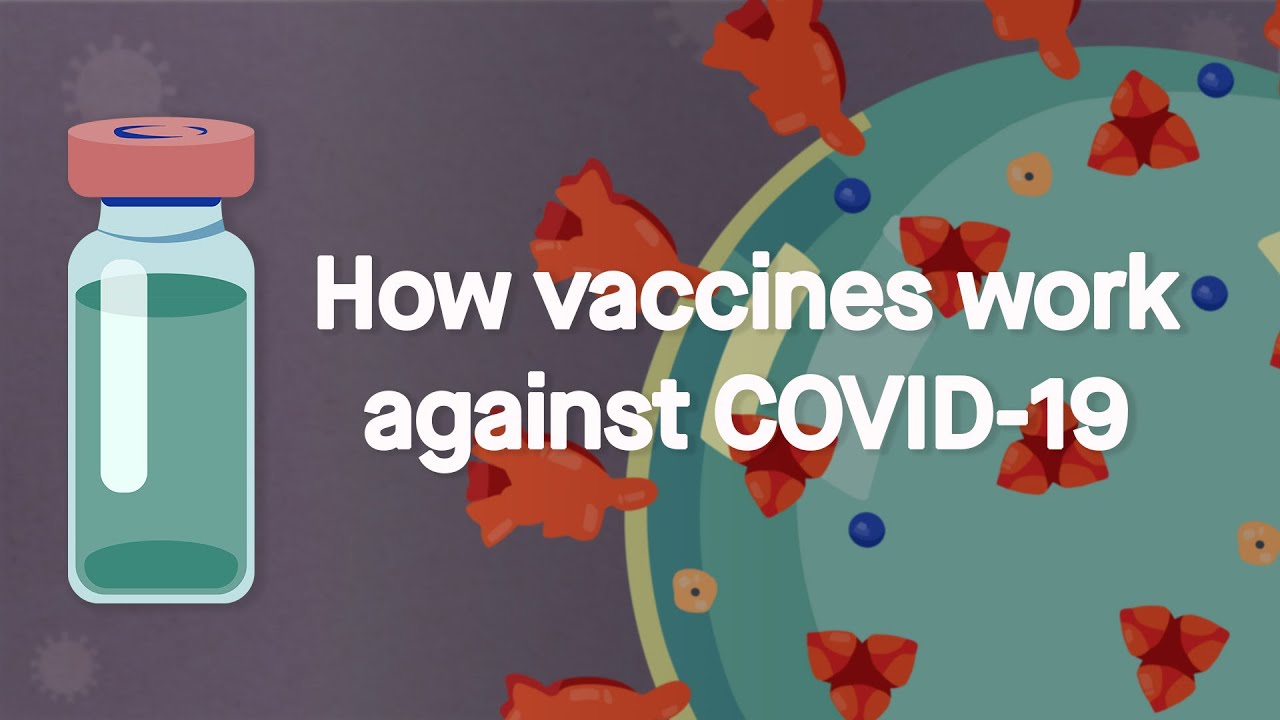 How Vaccines Work Against Covid 19 Science Simplified Youtube
This catalogued all the instructions the virus uses to make its various proteins.
Vaccines how they work. Vaccines prompt an immune response so that your body remembers how to fight a virus in the future. They trick your body into creating antibodies that fight COVID-19. This is how they came about - and why they matter.
Your immune system reacts to the vaccine in a similar way that it would if it were being invaded by the disease by making antibodies. How do COVID-19 vaccines work. The approval of the first COVID-19 vaccines has renewed hope across the world that the battle against the pandemic that has so far killed more than 16 million people may eventually be won.
Both of these vaccines share some similarities with those already being delivered but they also have some notable differences. Some people cant be vaccinated either because they are too young or because their immune systems are too weak according to the CDC. How do mRNA vaccines work.
Vaccines containing these weakened or killed germs are introduced into your body usually by injection. When a disease-causing agent such as virus or bacteria invades your body your immune system recognises it as harmful and will trigger a response to destroy it. The antibodies destroy the vaccine germs just as they would the disease germs like a training exercise.
Each type is designed to teach your immune system how to fight off certain kinds of germs and the serious diseases they cause. Other steps like masks and social distancing help reduce your chance of being exposed to the virus or spreading it to others. Some vaccines use a whole virus to cause your immune system to respond.
Spike proteins are also key to how RNA vaccines work. How does vaccination work. But they differ from nucleic acid vaccines in that they use a harmless virus different from the one the vaccine is targeting to deliver these instructions into the cell.
Vaccines are designed to prevent disease rather than treat a disease once you have caught it. Whole inactivated virus vaccines take longer to make because batches of the coronavirus must first be grown and then killed using a chemical or heat and then made into a vaccine that can be. Heres How They Work.
Vaccines help develop immunity by imitating an infection. A vaccine is a type of medicine that trains the bodys immune system so that it can fight a disease it has not come into contact with before. Vaccines work with your immune system so your body will be ready to fight the virus if you are exposed.
Vaccines also work on a community level. The immune system is a network of cells tissues and organs that work together to help fight off infection from harmful bacteria or viruses. Most vaccines contain an infectious pathogen or a part of it but mRNA vaccines deliver the genetic instructions for our cells to make viral or bacterial proteins.
When scientists create vaccines they consider. The spike proteins are the structures that the virus uses to penetrate cells and kick off an infection. This type of infection however almost never causes illness but it does cause the immune system to produce T-lymphocytes and antibodies.
These include the spikes of the coronavirus spikey blob. Keep reading to learn exactly how. These are called immune responses to vaccination and are as follows.
Sometimes after getting a vaccine the imitation infection can cause minor symptoms such as fever. What is a vaccine and how do vaccines work. The COVID-19 vaccine helps your body fight the virus by training and tempering the immune system strengthening your own biological defenses to repel the viral invaders in case you are exposed accidentally.
Vaccines contain weakened or inactive parts of a particular organism antigen that triggers an immune response within the body. How your immune system responds to the germ Who needs to be vaccinated against the germ The best technology or approach to create the vaccine Based on a number of these. In the case of COVID-19 the vaccines work in different ways but they all do the same thing.
Vaccines help save the lives of millions a year. Newer vaccines contain the blueprint for producing antigens rather than the antigen itself. This is how some of the COVID-19 vaccines work - and how they differ.
A molecular cousin of DNA mRNA contains instructions to build specific proteins. There are several different types of vaccines. Several vaccines are being used to tackle the pandemic worldwide.
2 New COVID-19 Vaccines.


